
Pakistan Replaces Electricity Subsidies
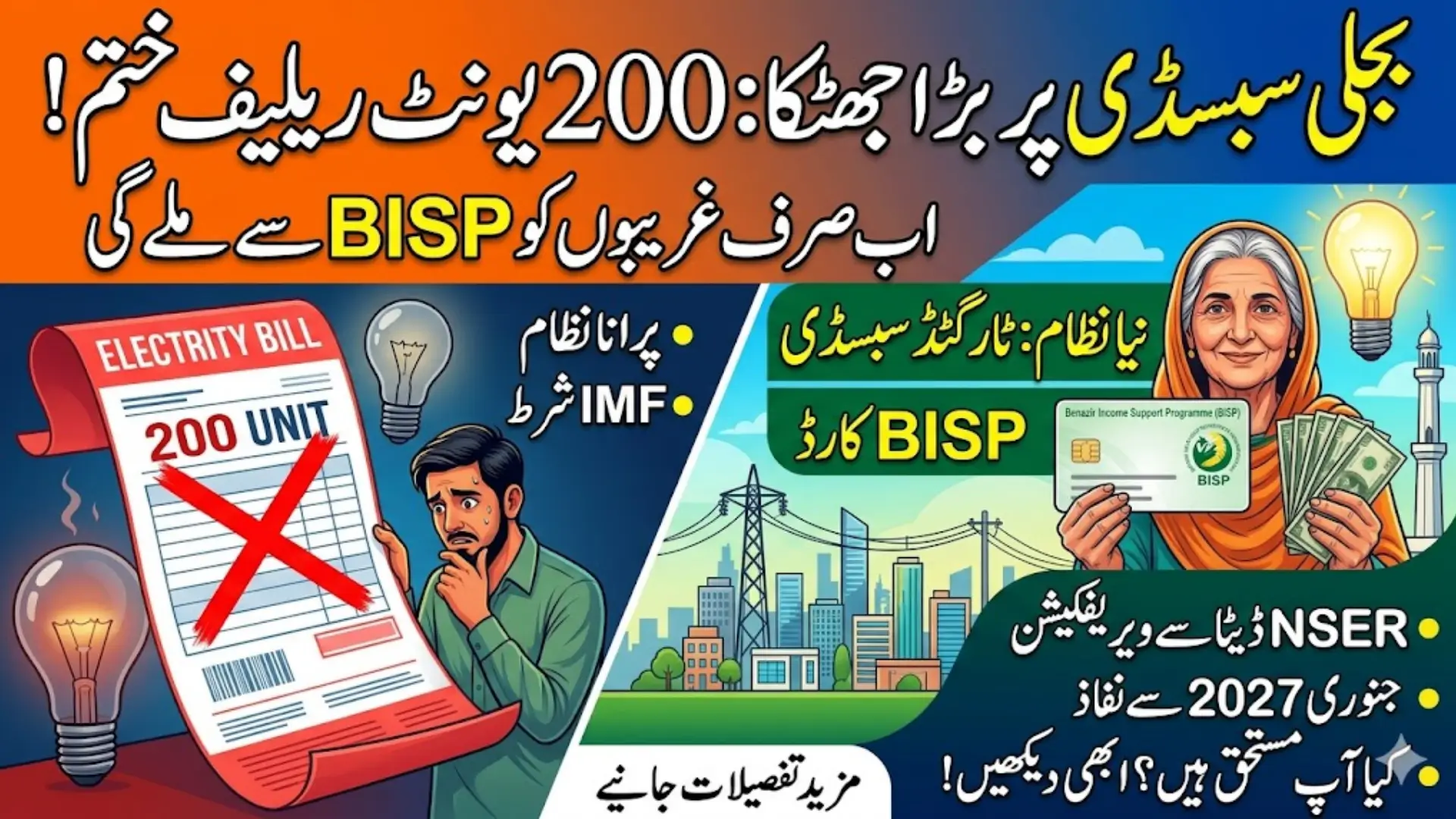
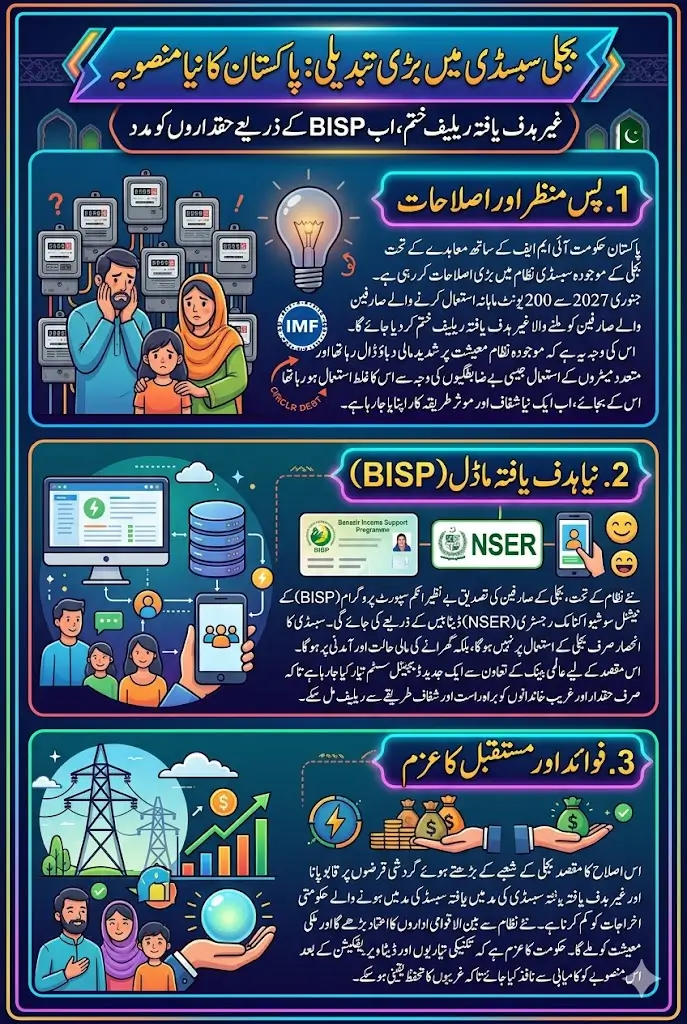
Pakistan Replaces Electricity Subsidies is preparing for a major change in its electricity subsidy system as the government has assured the International Monetary Fund (IMF) that it will end the existing electricity relief for consumers using up to 200 units per month and replace it with a targeted subsidy programme through the Benazir Income Support Programme (BISP) from January 2027. The move is part of broader economic and power sector reforms agreed with the IMF under the Resilience Sustainability Facility (RSF).
The decision is expected to directly impact millions of electricity consumers across the country. For many years, households using less than 200 units enjoyed lower electricity bills through government support. However, officials now believe the current system is creating financial pressure on the national economy and is also being misused in different areas of the country.
Government officials say the new system will ensure that only deserving and low-income families receive electricity subsidies. Instead of giving relief based only on electricity consumption, the government plans to connect electricity consumers with the National Socio-Economic Registry (NSER) database to identify financially weak households.
You Can Also Read: Govt Approves PAVE Program Vehicle Distribution
Pakistan Decides To End Existing 200 Units Electricity Subsidy
The existing electricity subsidy system was introduced to provide relief to lower-income and middle-class consumers who use less electricity every month. Consumers using up to 200 units receive electricity at lower rates compared to regular domestic consumers. This system remained popular because it helped families manage monthly electricity expenses during times of inflation and increasing fuel prices.
However, according to government officials, the system started creating problems because many households reportedly installed two or even three electricity meters in a single home. By dividing electricity consumption between different meters, some families managed to remain under the 200-unit limit and continued receiving subsidies despite using much more electricity in total.
Officials believe this practice caused huge financial losses to the government and increased the burden of subsidy payments on the national budget. Pakistan’s energy sector is already struggling with circular debt, high transmission losses, and expensive electricity generation. Because of these financial challenges, the IMF repeatedly asked Pakistan to reform its subsidy system and introduce more targeted support.
You Can Also Read: Apni Khet Apna Rozgar Application Form
The government now believes that the new targeted subsidy model will be more transparent and fair because financial assistance will only go to deserving families identified through official poverty and income data.
Important points behind this decision include:
- Growing financial burden on the national budget
- Misuse of multiple electricity meters in some households
- IMF pressure for power sector reforms
- Rising circular debt in the electricity sector
- Need for transparent subsidy distribution
- Focus on helping genuinely deserving consumers
New BISP Electricity Subsidy System Will Start From January 2027
Under the upcoming plan, Pakistan will shift from a general electricity subsidy system to a targeted welfare-based support programme under BISP. The new subsidy mechanism is expected to officially begin from January 2027 after technical preparations and data verification processes are completed.
The government is currently working closely with the World Bank and other institutions to connect electricity consumers with the NSER database. This database already contains records of millions of low-income households registered under welfare programmes such as BISP and Ehsaas.
You Can Also Read: Eid Al Adha 2026 Date And Day In Pakistan
Officials say the new mechanism will help authorities determine which families truly need electricity support. Instead of providing relief based on electricity consumption alone, subsidies will now depend on household income, financial condition, and socio-economic data.
The government also plans to hire an external company to develop a modern payment and verification system. Authorities want to make the subsidy process more digital and transparent so that deserving consumers receive support directly without delays or corruption.
According to officials, the new targeted system may help stop subsidy misuse while also reducing government expenses on untargeted electricity relief programmes.
Why IMF Wants Pakistan To Reform Electricity Subsidies
The IMF has consistently advised Pakistan to reduce untargeted subsidies because they create pressure on government finances and often benefit consumers who may not actually need financial assistance. Pakistan’s power sector reforms are considered an important condition for securing financial support from international lenders.
Officials informed the IMF that Pakistan is implementing several structural reforms in the energy and financial sectors. These reforms are linked to the IMF’s Resilience Sustainability Facility programme, under which Pakistan is expected to receive the second tranche of $200 million after approval from the IMF Executive Board.
The IMF believes targeted subsidy systems are more effective because they focus government resources on genuinely poor households instead of providing broad subsidies to large sections of the population. Many international financial institutions now support targeted welfare systems because they improve financial transparency and reduce wastage.
Pakistan’s government also hopes that these reforms will improve international confidence in the country’s economy. By reducing unnecessary subsidies and improving financial management, authorities want to stabilize the power sector and reduce the growing circular debt problem.
Key reforms discussed with IMF include:
- Ending untargeted electricity subsidies
- Introducing BISP-based financial assistance
- Improving power sector financial management
- Reducing circular debt
- Expanding digital tax collection systems
- Strengthening climate-related financial regulations
You Can Also Read: Prime Minister Apna Ghar Program Bank List
Common Consumers May Feel Pressure During Initial Phase
The announcement has created concern among many electricity consumers, especially middle-class households that currently depend on subsidized electricity rates. Many families fear their monthly electricity bills could increase once the old subsidy system is removed.
In Pakistan, electricity bills are already one of the biggest financial challenges for ordinary citizens. Rising fuel adjustment charges, taxes, and increasing electricity tariffs have made it difficult for families to manage household expenses. In such a situation, the end of the 200-unit subsidy may create additional financial pressure for some consumers.
However, government officials insist that poor households will continue receiving support through the new BISP-linked mechanism. They argue that the previous subsidy system allowed misuse, while the targeted model will ensure that relief reaches deserving families directly.
Still, implementation may not be easy. Many people living in rented homes, joint family systems, or rural areas may face difficulties during verification and registration processes. If data in the NSER system is incomplete or outdated, some deserving consumers could temporarily miss out on support.
Experts believe the success of this reform will depend on transparency, public awareness, and efficient coordination between government departments.
You Can Also Read: Wazir-e-Azam Apna Ghar Program 2026
Government To Link Electricity Consumers With NSER Database
One of the biggest parts of the new electricity subsidy model is the integration of electricity consumer data with the National Socio-Economic Registry. This system will allow authorities to verify the income and financial condition of households before providing electricity relief.
The NSER database already plays a major role in Pakistan’s social welfare programmes. Families registered under BISP are identified through surveys and socio-economic data collected from across the country. By connecting electricity records with this database, the government hopes to create a more accurate and transparent subsidy system.
Officials say validity checks and verification procedures will be introduced before the targeted subsidy programme becomes operational. The purpose is to prevent fraud and ensure that government assistance reaches the right households.
The government is also working on digital systems to improve monitoring and payment methods. Authorities believe technology-based verification can reduce corruption and increase efficiency in welfare programmes.
Below is a quick overview of the planned subsidy reform system:
| Reform Feature | Details |
|---|---|
| Existing Subsidy | Electricity relief for consumers using up to 200 units |
| New System | Targeted subsidy through BISP |
| Implementation Date | January 2027 |
| Verification Method | NSER database and socio-economic checks |
| International Support | IMF and World Bank |
| Main Objective | Support deserving low-income families |
| Expected Benefit | Reduced misuse and better financial transparency |
You Can Also Read: Apni Chhat Apna Ghar Program 15 Lakh Loan
Digital e-Abiana System To Expand Across Provinces
Apart from electricity reforms, the government is also focusing on improving tax collection systems related to irrigation and agriculture. Officials informed the IMF that Pakistan plans to expand the digital e-Abiana irrigation service charge system from Punjab to Sindh, Khyber Pakhtunkhwa, and Balochistan.
Punjab has already implemented the e-Abiana system for collecting irrigation water charges from farmers. The digital model is considered more transparent and efficient compared to traditional manual collection systems. Authorities now want to replicate this system in other provinces by August 2027.
The government also plans to introduce irrigation water tariff adjustment mechanisms in Punjab and Sindh with support from the World Bank. Officials believe these reforms will improve recovery of operation and maintenance costs for irrigation infrastructure.
Agriculture experts say proper water management and transparent irrigation tax collection are important because Pakistan’s farming sector depends heavily on canal irrigation systems. Better financial recovery may help improve maintenance of water channels and irrigation networks.
Climate Financial Reforms Also Shared With IMF
Pakistan also updated the IMF regarding progress on climate-related financial reforms. Officials informed the international lender that the State Bank of Pakistan issued guidelines for climate-related financial risk management in December 2025.
Similarly, the Securities and Exchange Commission of Pakistan introduced guidelines for listed companies regarding disclosure of climate-related risks and opportunities. These reforms are aimed at improving financial transparency and preparing Pakistan’s economy for future environmental challenges.
The government is additionally working on a National Disaster Risk Financing Strategy with support from international institutions. This framework will help federal and provincial governments coordinate disaster-related financial needs more effectively.
Pakistan remains highly vulnerable to floods, heatwaves, and other climate-related emergencies. Officials believe stronger financial planning and disaster preparedness will help reduce economic damage during future natural disasters.
Pakistan Moves Toward Targeted Welfare And Economic Reforms
Pakistan’s decision to replace the old electricity subsidy system with targeted support under BISP represents a major shift in the country’s welfare and energy policies. The government believes the new system will help control financial losses while ensuring that deserving households continue receiving support.
Although the reform is expected to improve transparency and reduce misuse, it may also create short-term difficulties for many electricity consumers already struggling with rising inflation and utility bills. Public trust will depend on how fairly and efficiently the new subsidy system is implemented.